 Skip to content

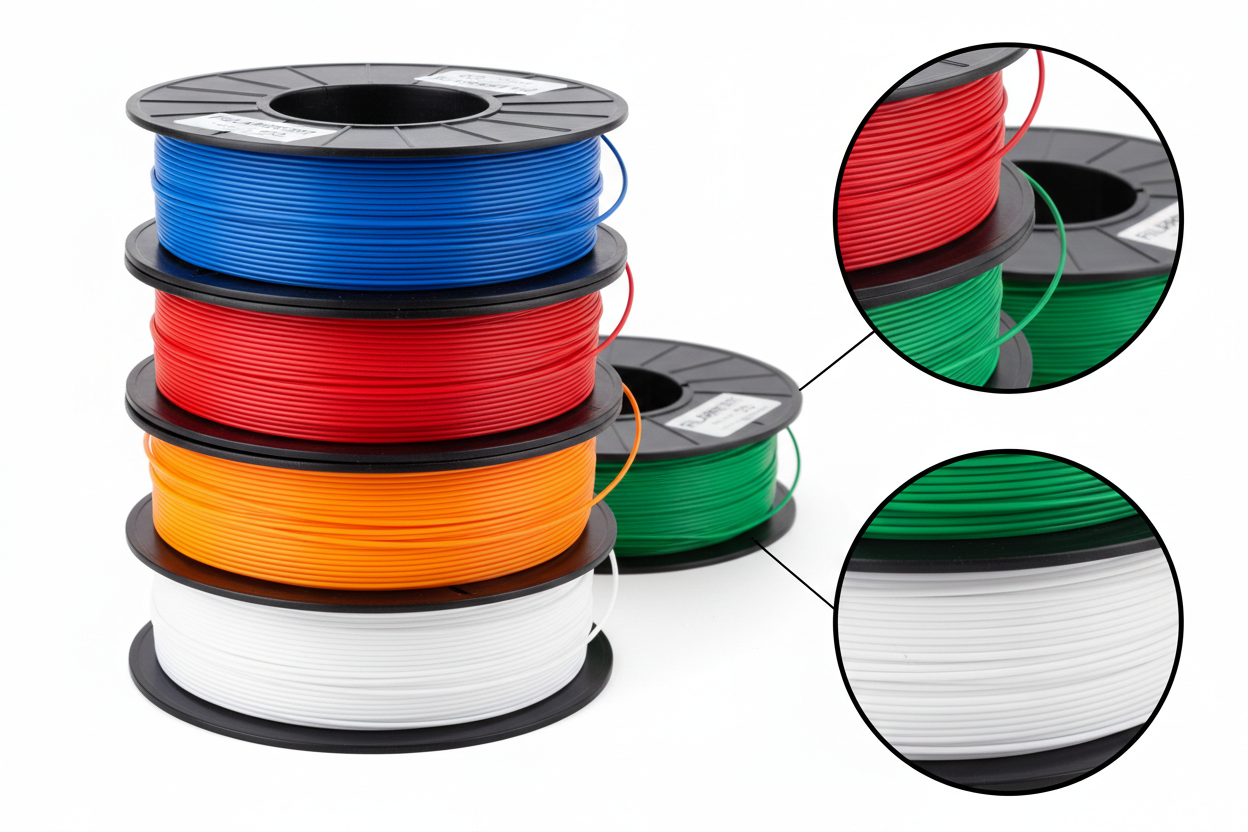
Choosing the right 3D printing filament online can significantly impact the quality, durability, and performance of your printed parts. With so many materials, diameters, and specifications available, selecting the correct filament is not just about price but about matching the material to your exact application. This guide will help you understand how to evaluate and select the best 3D printing filament for your needs, whether you are a beginner, hobbyist, or professional user in Australia.
Why Choosing the Right 3D Printing Filament Matters
The filament is the foundation of every 3D printed object. Poor-quality or incorrect material selection can lead to warping, weak layer adhesion, poor surface finish, or failed prints. When buying 3D printing filament for sale online, understanding material properties and compatibility with your printer ensures consistent and reliable results.
Before exploring suppliers or comparing prices, it is essential to know what to look for in a filament.
Understand Common Types of 3D Printing Filament
Different filaments serve different purposes. Selecting the right material depends on strength requirements, temperature resistance, flexibility, and visual appearance.
PLA Filament
PLA is one of the most commonly used materials in 3D printing. It is easy to print, requires lower temperatures, and is ideal for decorative items, prototypes, and educational projects. PLA is best suited for indoor applications where heat resistance is not critical.
ABS Filament
ABS is stronger and more heat-resistant than PLA, making it suitable for functional parts and enclosures. However, it requires a heated bed and controlled printing conditions to avoid warping.
PETG Filament
PETG offers a balance between strength, flexibility, and ease of printing. It is commonly used for mechanical parts, containers, and outdoor applications due to its moisture and chemical resistance.
TPU and Flexible Filaments
Flexible filaments such as TPU are ideal for parts that require elasticity, such as seals, gaskets, or phone cases. These materials require slower print speeds and proper extrusion control.
Choose the Correct Filament Diameter
Most desktop 3D printers support either 1.75 mm or 2.85 mm filament. Using the wrong diameter can cause extrusion problems and damage your printer. Always check your printer’s specifications before purchasing 3D printing filament online. Consistency in diameter is also important. High-quality filament maintains tight tolerances, ensuring smooth feeding and uniform extrusion.
Evaluate Print Quality and Material Consistency
When browsing 3D printing filament for sale, look for detailed product descriptions that mention diameter tolerance, material purity, and manufacturing standards. Consistent filament ensures better layer bonding and fewer printing issues.
High-quality filament also produces smoother surfaces and more accurate dimensions, which is essential for functional and professional-grade prints.
Consider Application-Specific Requirements
Before making a purchase, ask yourself the following questions:
-
Will the printed part be exposed to heat or sunlight
-
Does the part require flexibility or impact resistance
-
Is surface finish or strength more important
-
Will the object be used indoors or outdoors
Answering these questions helps narrow down the best type of 3D printing filament for your project.
Check Compatibility with Your 3D Printer
Not all printers support all materials. Some filaments require higher nozzle temperatures or heated beds. Ensure your printer can handle the temperature range and extrusion requirements of the filament you plan to use. This step is especially important when purchasing specialty or engineering-grade filaments online.
Buy from a Trusted Online Supplier
When purchasing 3D printing filament online, it is important to choose suppliers that offer transparent material specifications, proper storage, and reliable delivery. If you are unsure about sourcing options, this detailed guide on where to buy 3D printing filament online in Australia provides valuable insights into trusted sellers, pricing considerations, and delivery factors.
Each filament type has unique properties, strengths, and limitations that impact print quality and performance. For a deeper breakdown of material characteristics and ideal use cases, see this comprehensive 3D printing filament material guide, which explains how to select the right filament based on 3D printing filament material guide, which explains how to select the right filament based on application needs.
Compare Price Without Compromising Quality
While cost is an important factor, extremely low-priced filament can lead to inconsistent results, clogged nozzles, and wasted time. Instead of choosing the cheapest option, focus on value for money, reliability, and performance. Many users find that investing in high-quality filament reduces failed prints and saves money in the long run.
Storage and Shelf Life Considerations
Even the best filament can degrade if stored improperly. Moisture absorption leads to brittle filament and poor extrusion. Look for vacuum-sealed packaging and store unused filament in dry, airtight containers. Good storage practices ensure your 3D printing filament maintains quality over time.
Final Thoughts
Choosing the best 3D printing filament online is about understanding your project needs, printer capabilities, and material properties. By selecting the right filament type, diameter, and quality level, you can significantly improve print success and overall output.
Whether you are sourcing filament for prototyping, functional parts, or creative projects, a reliable supplier like 3D Meta can make a meaningful difference in print consistency and performance. Investing time in informed selection will always pay off with better results and fewer printing issues.